

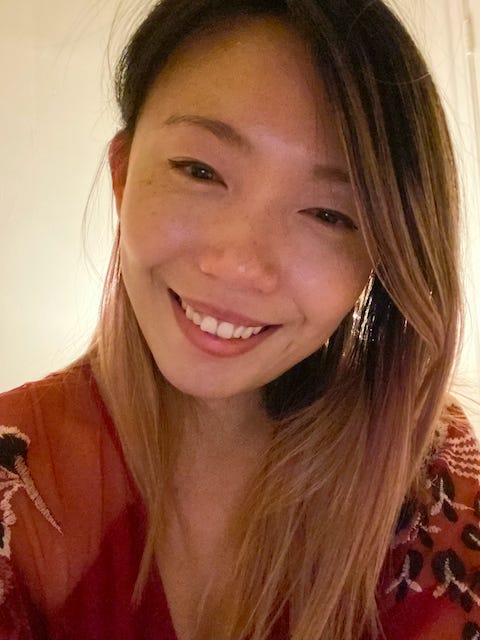
Lei Wang credits one trait to her success as a writer: stubbornness.
A professor from her master’s degree at The University of Iowa told the class a tip that stuck: “The only difference between the people in this room who are going to be writers, and not, is your persistence,” as she recalled.
“I was definitely not the best writer there,” Wang said in an interview with A Working Title. “I do feel like some part of me stubbornly continued doing that.”
Wang recently won the inaugural Prize for New Narratives and $3,000 from literary magazine The Masters Review. The short story, “How to Begin a Love Story” — yet to be published — metafictionally explores the differences between storytelling and reality, she said.
Wang — who had moved from modern, bustling Shanghai — stayed in Iowa City after graduation along with a group of classmates. They got involved in the local writing scene, and each of them is now finishing their first book. Many of their classmates, however, have moved to tech or other industries.
Wang said she prioritizes writing in whatever way works — and yes, that strategy could change on a regular basis.
Besides the latest, Wang has multiple published works and awards. This summer, she finished a draft of her first book, which focuses on the idea of enlightenment.
‘What is a story?’
“How to Begin a Love Story” started with a simple question: “What is a story?”
Years ago, Wang asked her best friend for advice on making the rocky transition from nonfiction to fiction. “How would you write a story as if you had never read a story before?” the friend asked, as Wang recalls.
“That felt really powerful to me,” Wang said.
That idea inspired a story that she wrote three years ago during the Clarion Workshop, widely considered one of the most prestigious training programs for science fiction and fantasy writers in the U.S.
Some earlier submissions were rejected, but then she workshopped the piece before finding the right place for it.
Finding the Prize for New Narratives
Wang estimates that roughly 95% of her submissions are rejected — typical in the notoriously tough industry.
“We’re not here for the odds,” she said. “We’re kind of bad gamblers.”
That’s why she typically only submits to publications that she believes are the right fit.
And she was a fan of Charles Yu, the guest judge for the Prize for New Narratives.
Wang joked that she and her best friend send his short story, “Fable” (published in The New Yorker on May 30, 2016) to potential romantic partners. If they like the story, that’s a green flag.
“When you like someone’s work, maybe you have similar sensibilities,” Wang said. “A contest where you recognize the judge, or really like their work, could be a good fit.”